Postal3 Emmc

If the programmer fails to read, check your connections and ensure the power supply levels (1.8V or 3.3V) match the chip's requirements; some setups may require a level-shifter (like LSF0204).

Postal3 (stylized Postal III) is a 2011–2012-era entry in the Postal series of open-world action-comedy video games. The term “eMMC” (embedded MultiMediaCard) refers to a class of flash storage commonly used in consumer electronics and embedded devices. Connecting these two terms suggests an investigation of how Postal3 interacts with eMMC storage in contexts such as console/PC ports, development builds, hardware compatibility, installation and performance behavior, modding, and preservation. This essay examines technical and practical intersections: how game builds are stored and run from eMMC media, performance/IO characteristics that affect gameplay, installation and patching workflows on devices using eMMC, modding and file-system implications, reverse-engineering/preservation concerns, and recommendations for developers, modders, and archivists. postal3 emmc

Do this only on already-bricked devices. Heat the eMMC chip with a hot air gun (150°C for 30 seconds) or a hair dryer. If the device suddenly boots once cooled, you have cracked solder balls—a classic Postal3 physical failure. If the programmer fails to read, check your

Released in 2011, Postal 3 was built on a modified (the same foundation as Left 4 Dead 2 ). Unlike modern SSDs, the Source Engine of that era expects a certain level of storage performance. Connecting these two terms suggests an investigation of

The Postal3 eMMC offers several benefits, including:

Different types of DJ equipment

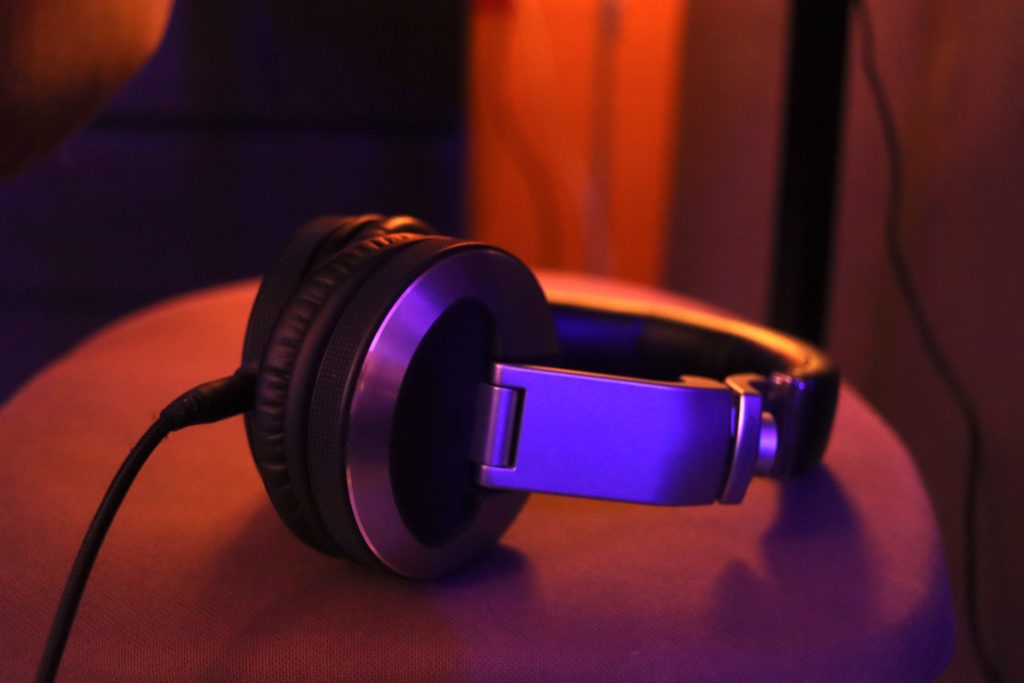
DJ Headphoes

postal3 emmc

You can’t DJ properly if you can’t hear what you’re doing or gauge what the audience is hearing. This is why a top-class pair of headphones is essential in any DJ setup. There are hundreds of great headphones on the market, but what you need to factor in when buying is whether they will be in-ear or over-ear, the cup size, orientation, comfort, and durability, among other things.

Different types of DJ equipment

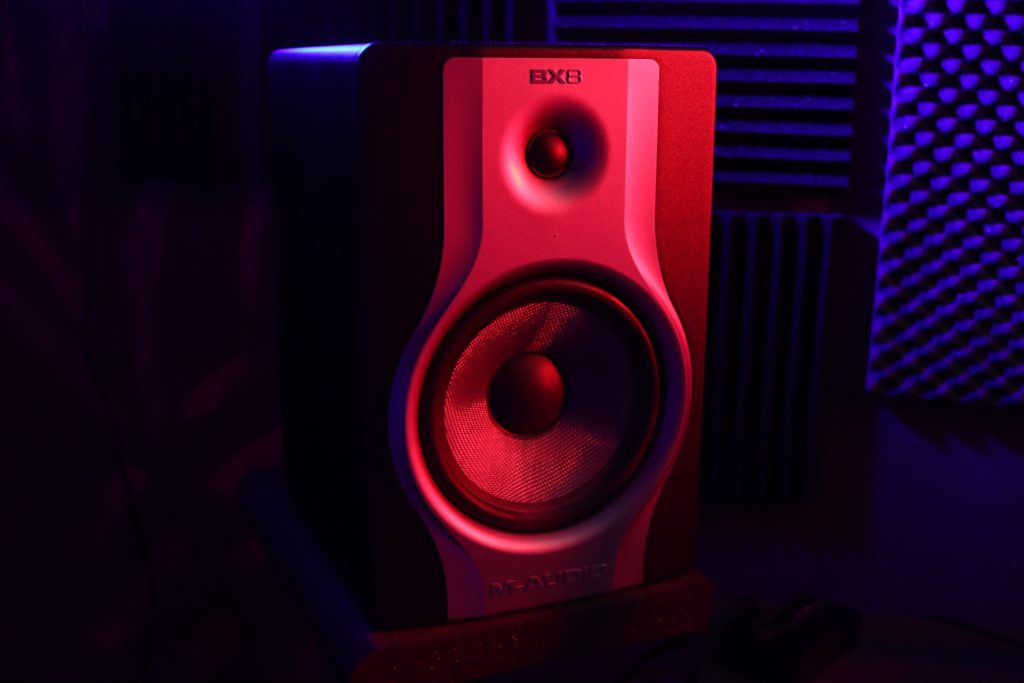
speakers

postal3 emmc

 If you haven’t got some already and need to add speakers to your shopping list, you’ll want to avoid cheap brands and opt for some which are powerful but suitable for your DJing environment. You wouldn’t go out and buy a huge PA system if you live in a cupboard under the stairs, and you wouldn’t invest in some tiny desk speakers if you are mixing in a large room with thick walls and high ceilings. A set of speakers that fit somewhere in the middle is best.

Different types of DJ equipment

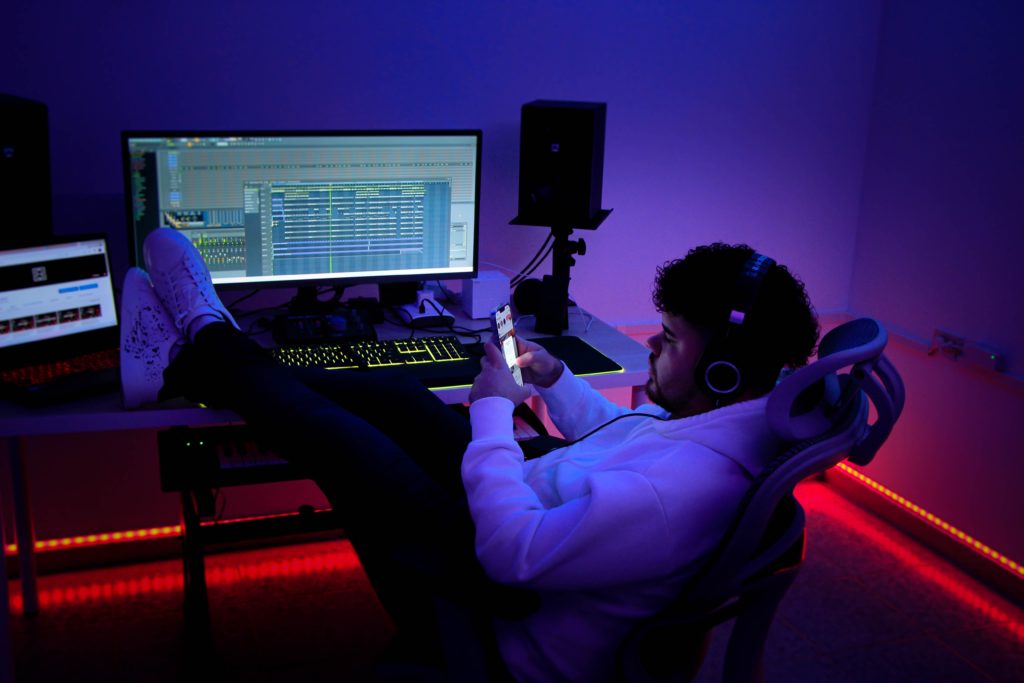
DJ Software

postal3 emmc

If you’re looking to play solely digital, you’re going to want to invest in some good software. Some DJs who play from USB still do not use software, but the truth is, it can seriously help you stay organized. Software not only allows you to prepare your tracks into neat and tidy playlists, but it also detects the BPM and key of all your tunes, lets you set hot cues, make loops, mashups, and other really cool stuff that wouldn’t be possible if you simply stuck all your tunes on a USB stick or burned them to CD. If you’re just starting out as a DJ, there’s no question that using a high-quality software program will make mixing easier and your sets sound better.

Different types of DJ equipment

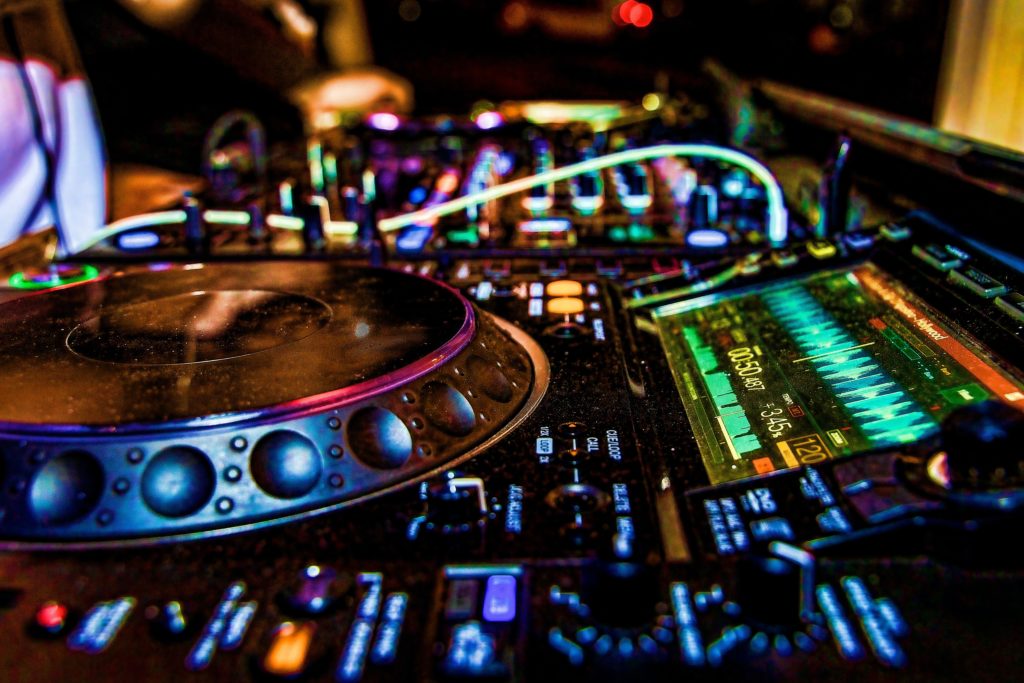
Controllers

postal3 emmc

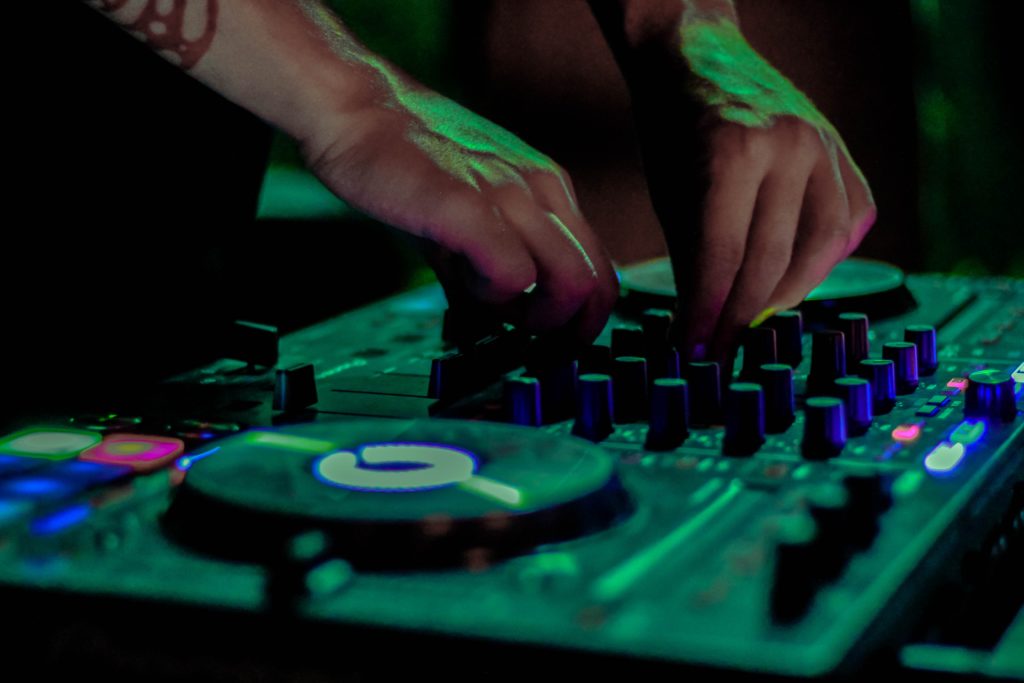
 DJ controllers are highly convenient because they are an all-in-one setup that you can carry around with you, then plug in and play right off the bat. They also eliminate the need to spend thousands on individual pieces of gear. There are many different types of DJ controllers that are ideal for beginners, each with different functions, personalities, and more. Some are fantastic for multi-deck mixing, changing the volume, tempo, track settings, looping, panning, playing drum pads, and even scratching.

Different types of DJ equipment

mixers

postal3 emmc

For any analog DJ setup, a mixer is an essential bit of kit. Besides being used to make seamless transitions from one song to another, they also have a wide range of other functions. The crossfader can be used to make epic scratch performances, while the vertical sliders control the volume levels, panning, and can be used in conjunction with effects. They also act as a soundcard to process the music signal you’re sending out to your audience, and let you cue up your next track in your headphones while the current song is playing.

Different types of DJ equipment

Turntables

postal3 emmc

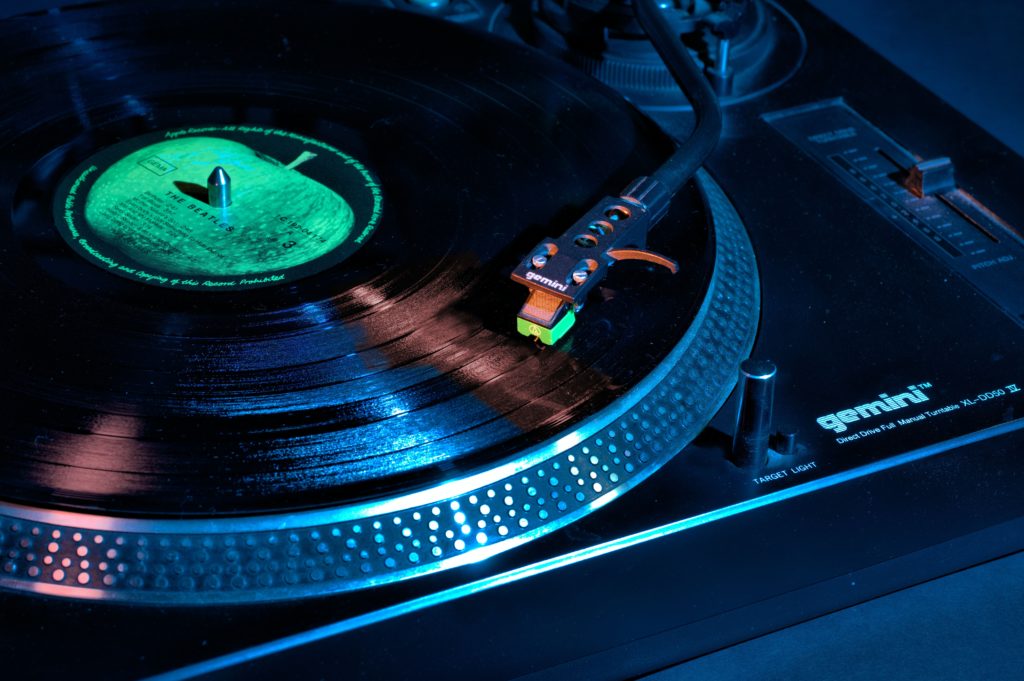
As mentioned, mixing on turntables is the classic way of DJing, and even some digital DJs still have a vinyl player or two in their repertoire. Turntables are ideal for those who want to get into scratching. They also allow you to switch between songs and albums, slow down tempos, alter the pitch, and do other creative tricks. While laptops and digital DJ setups are the most popular in this day in age, we still recommend learning how to mix on vinyl, even if you don’t plan to buy turntables or use them in your setup. The saying is true – if you can play on wax, you can play on anything.