
Disclaimer
Nextpad++ is an independent community port and is not affiliated with or endorsed by the Notepad++ project.
Vcds 2231 Hex V2: Clone Repair Exclusive !!hot!!
Nextpad++ is macOS native editor for Apple Silicon and Intel Macs.
Nextpad++ is an independent community port and is not affiliated with or endorsed by the Notepad++ project.
Nextpad++ is macOS native editor for Apple Silicon and Intel Macs.
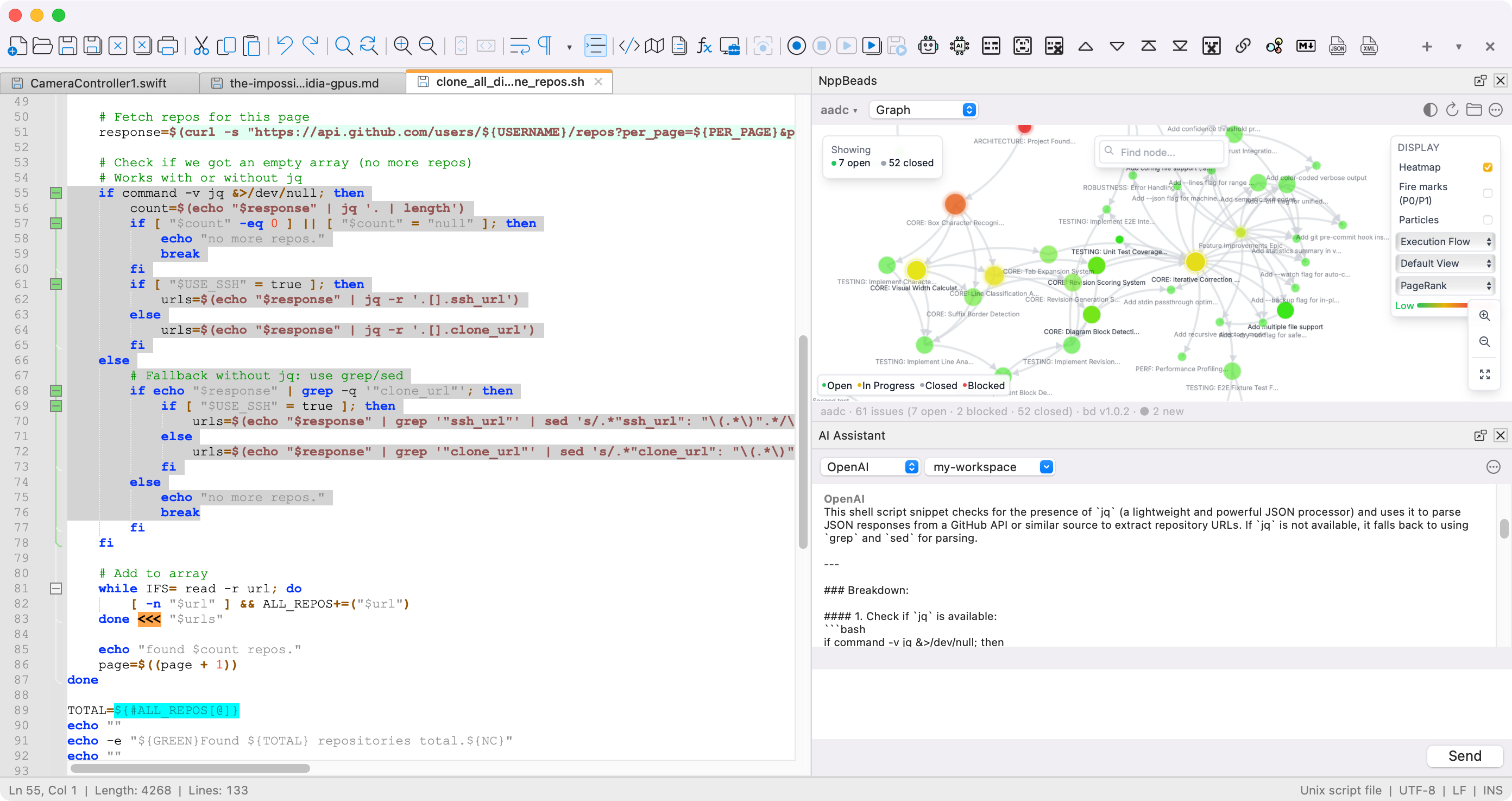
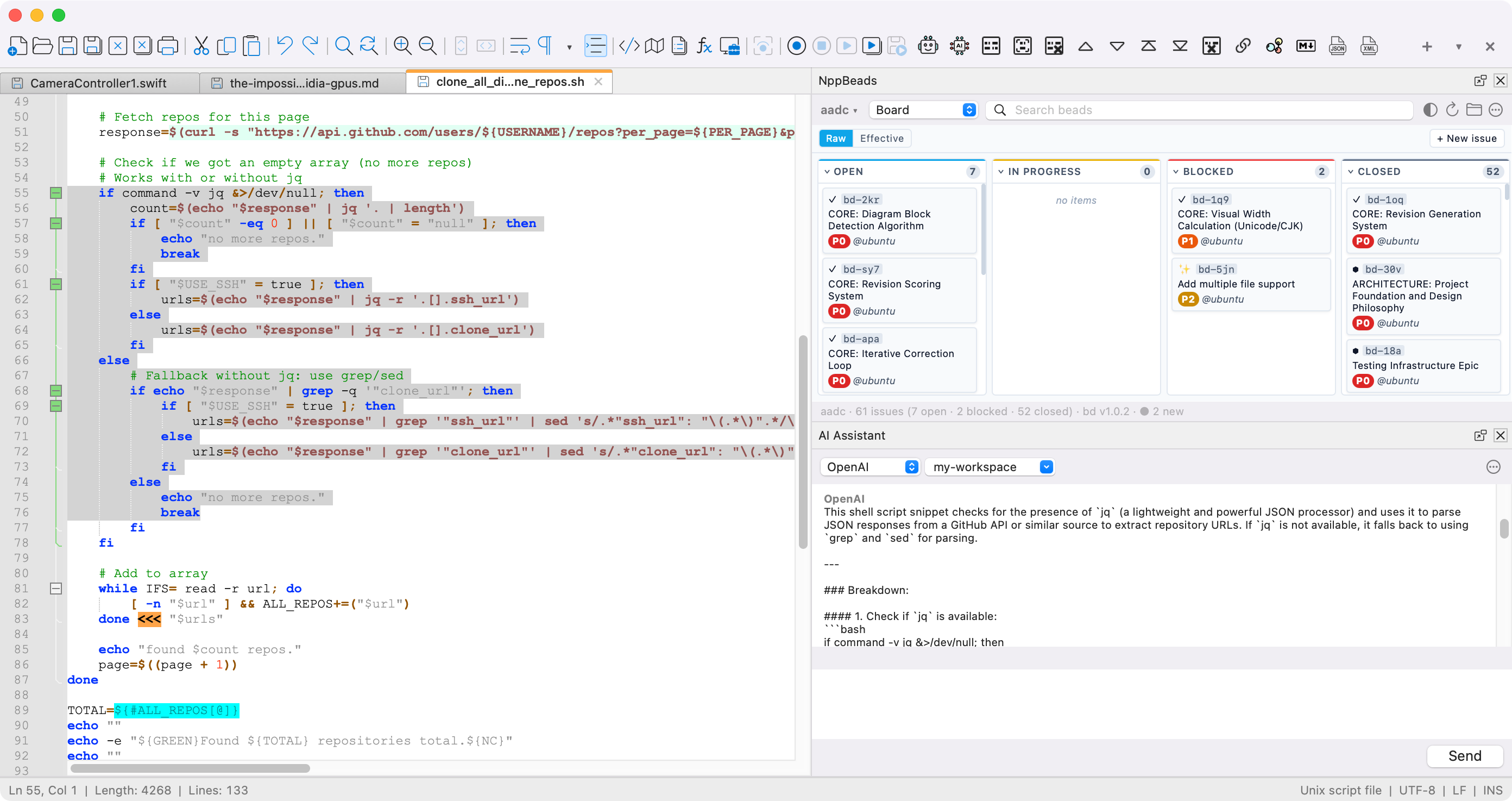
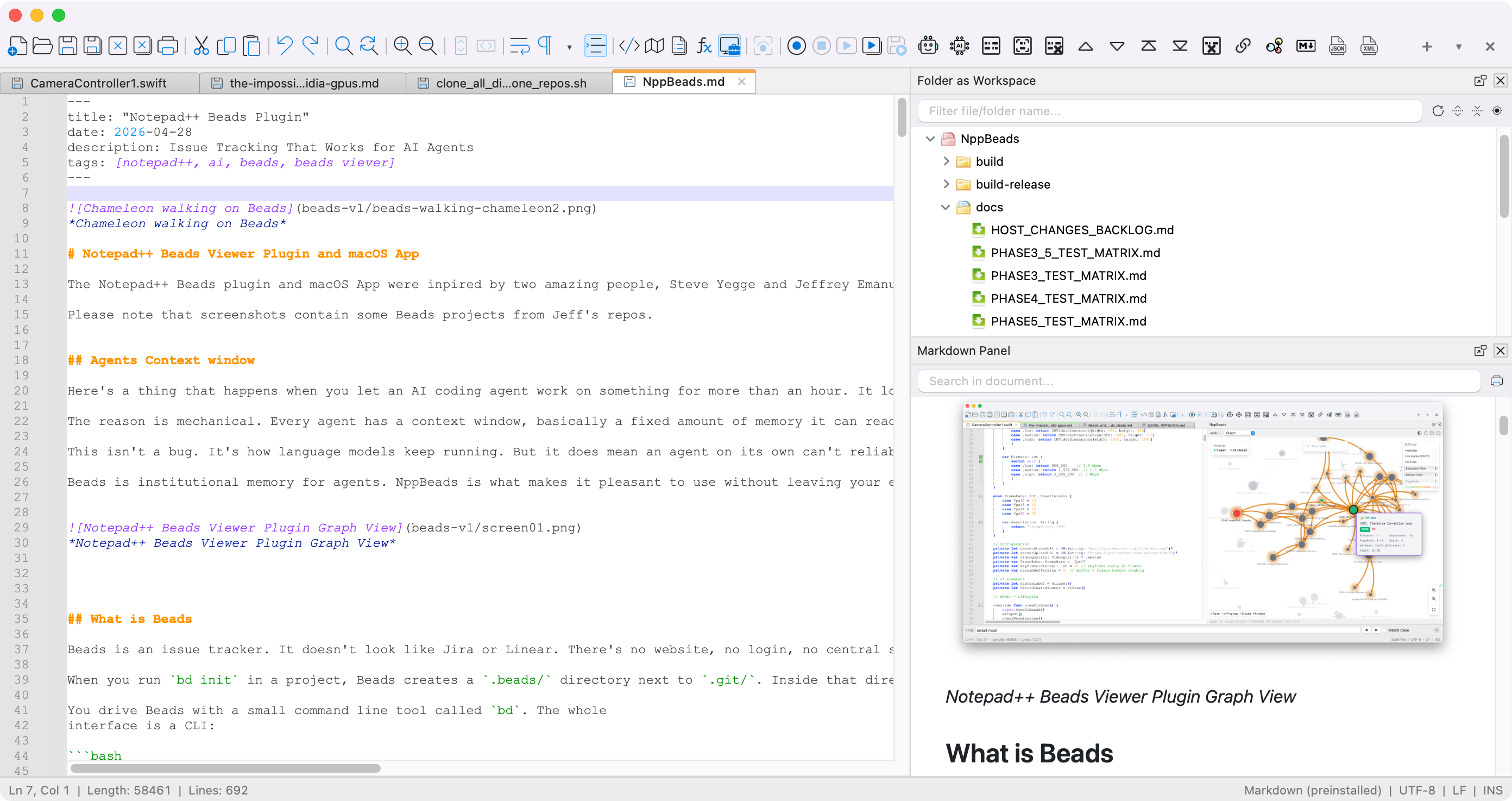
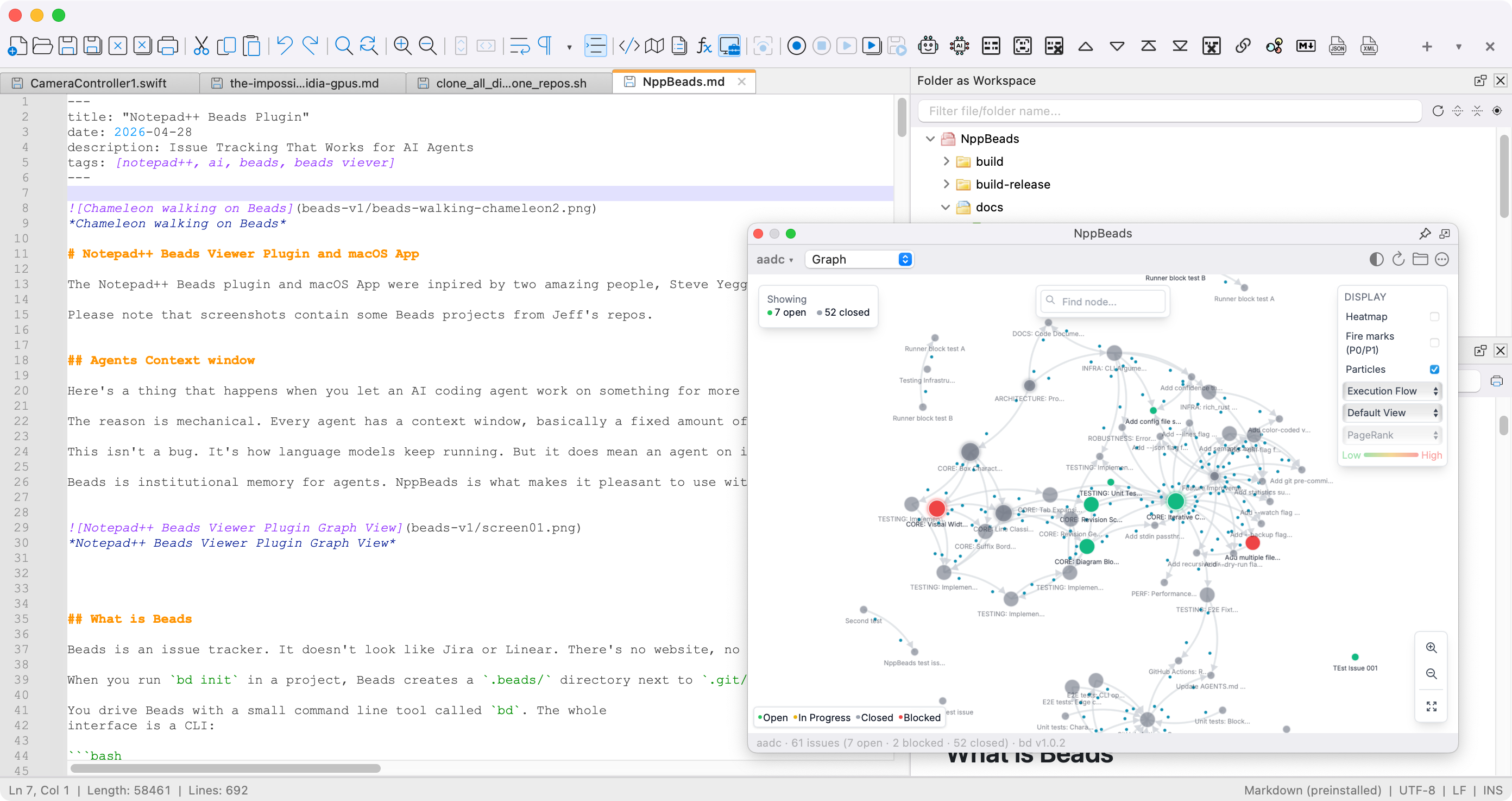
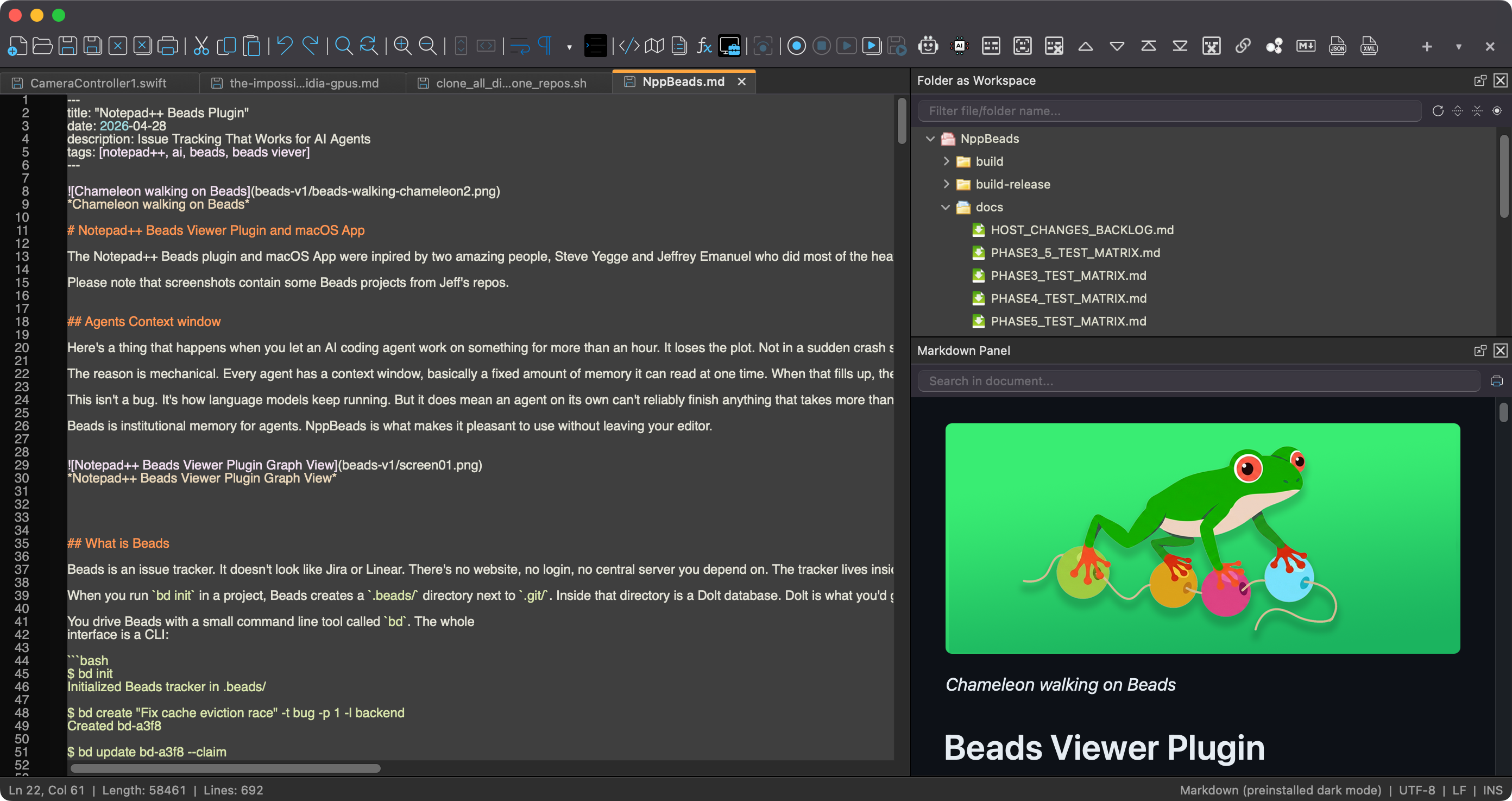
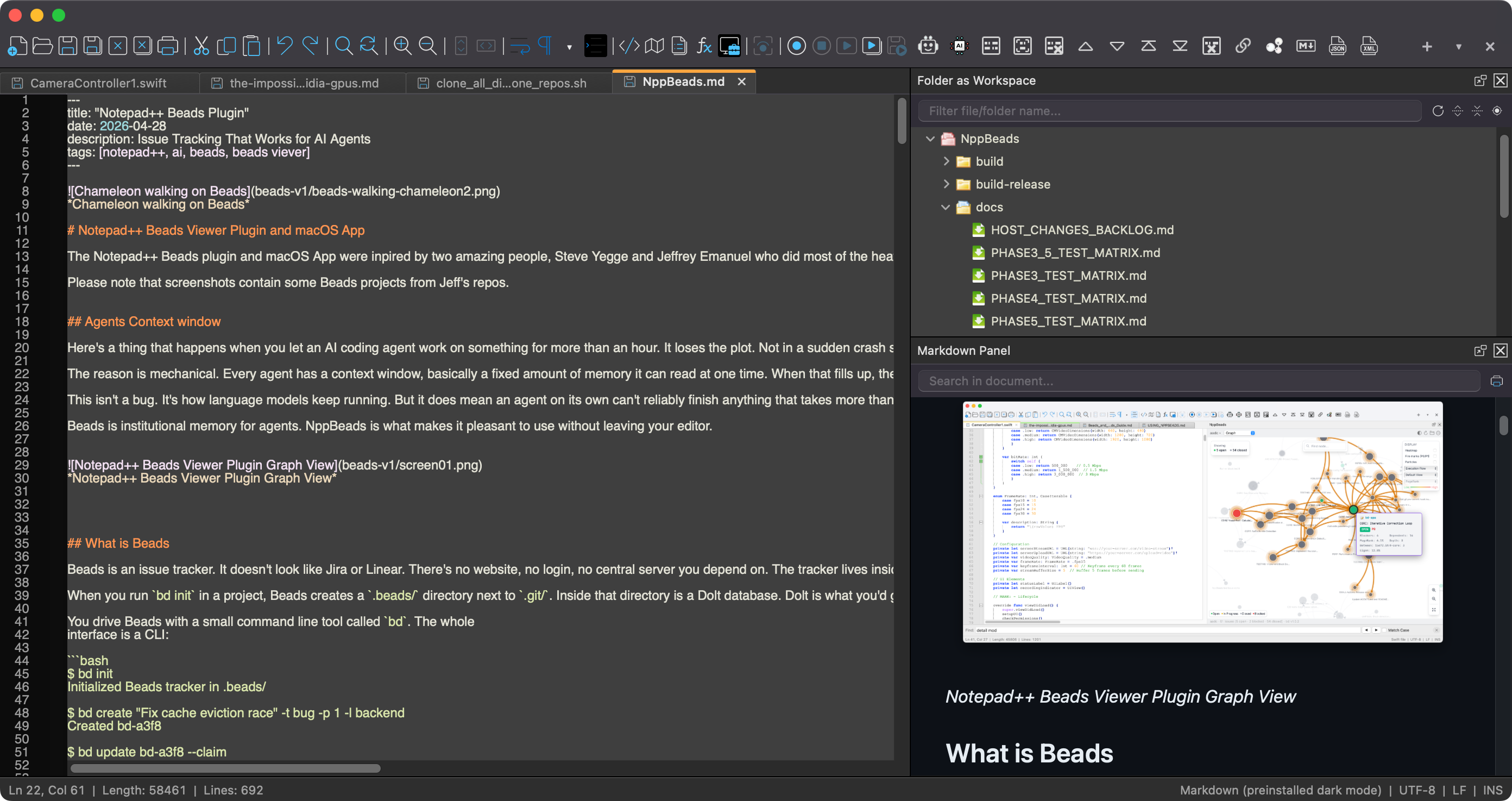
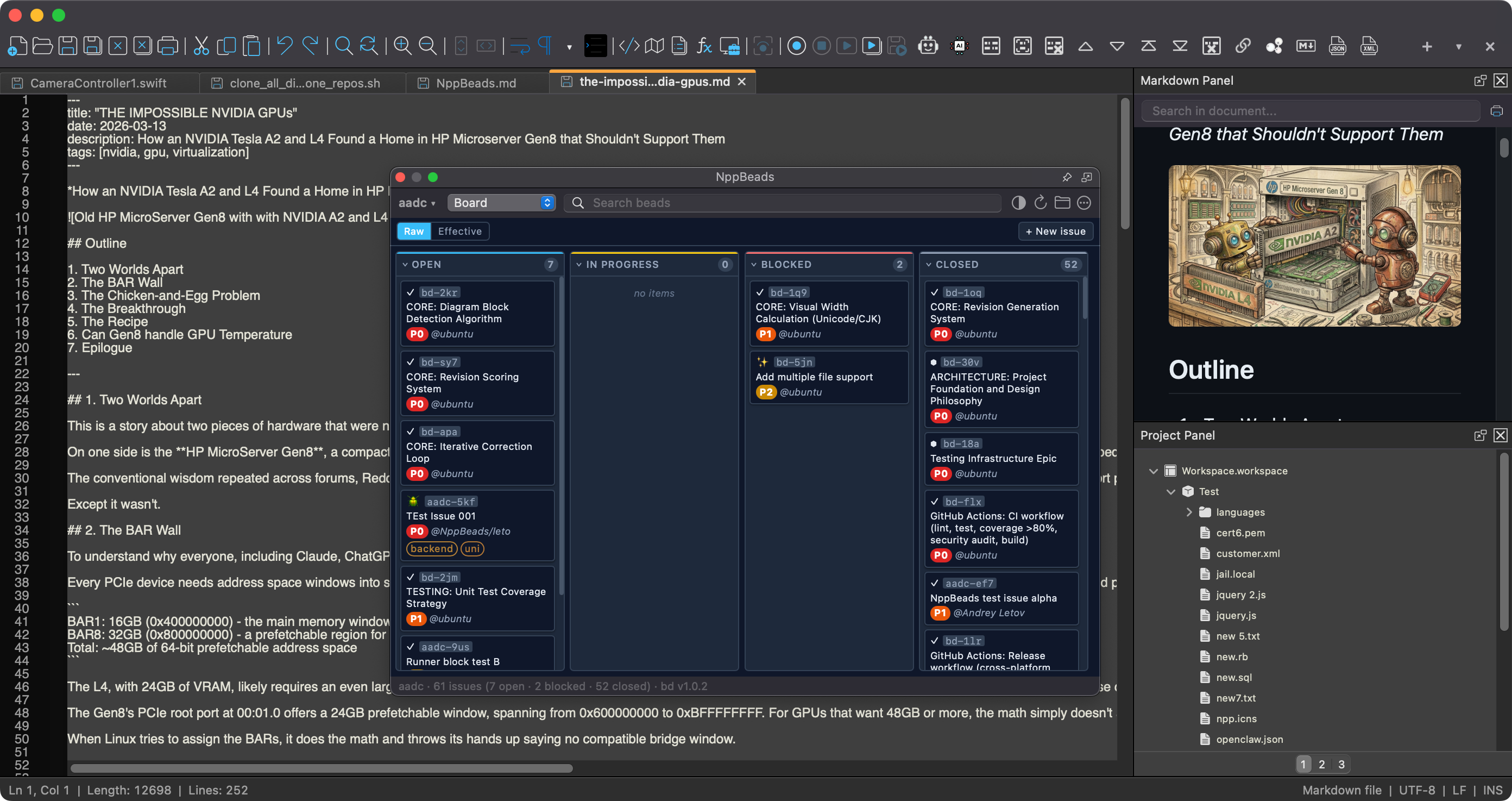
Nextpad++ has powerful features and built to feel right at home on macOS.
Support for 80+ programming languages with customizable color themes and user-defined languages. Switch Nextpad++ to the language you speak. It supports 137 languages out of the box.
Extend functionality with a rich plugin ecosystem. Customize your editor to match your workflow. More plugins are being migrated to macOS as we speak.
Built for M-series chips. Launches instantly, runs efficiently, and respects your battery life.
Powerful search with regular expressions, find in files, bookmark lines, and incremental search.
View and edit two documents side by side, or two parts of the same document simultaneously.
Record, save, and replay macros to automate repetitive editing tasks with ease.
Nextpad++ is a free, open-source source code editor that supports many programming languages and is great for general text editing. No Wine, Porting Kit, or emulation layer is needed — this is an independent native Notepad++ port governed by the GNU General Public License.
Based on the powerful editing component Scintilla, Nextpad++ for Mac is written in Objective C++ and uses pure platform-native APIs to ensure higher execution speed and a smaller program footprint. I hope you enjoy Nextpad++ on macOS as much as I enjoy bringing it to the Mac.
This project is an open-source and independent community port of Notepad++ to macOS, started on March 1, 2026. It is distributed as an Apple Developer ID-signed and Apple-notarized Universal Binary, runs natively on both Apple Silicon (M1–M5) and Intel Macs, and contains no telemetry, no advertising, and no data collection of any kind. The full source is available at github.com/nextpad-plus-plus/nextpad-plus-plus-macos. For the official Windows version of Notepad++, visit notepad-plus-plus.org.
A custom executable that bypasses the Ross-Tech registration check .
In the world of automotive diagnostics, few tools have achieved the iconic status of Ross-Tech’s VCDS (Vag-Com Diagnostic System). For enthusiasts and professionals working on Volkswagen Auto Group (VAG) vehicles—Audi, Volkswagen, SEAT, Škoda—the genuine HEX-V2 interface is indispensable. However, the high cost of the original unit (upwards of $500) has spawned a thriving gray market for clones, particularly the “VCDS 2231 HEX-V2” variant. These clones aim to replicate the functionality of the original at a fraction of the price. But when they fail—due to firmware corruption, hardware malfunction, or deliberate “kill” signals from updated software—the process of repairing them becomes an exclusive, secretive, and technically demanding craft, sitting at the intersection of reverse engineering, electronics, and risk. vcds 2231 hex v2 clone repair exclusive
The most common failure in these clones is not physical damage but a deliberate software-induced “bricking.” Ross-Tech has long fought clone makers by embedding detection algorithms in newer VCDS releases. When the official software detects a non-genuine interface—for instance, by sending a specific challenge-response test to the microcontroller—it can send a “kill code” that corrupts the clone’s bootloader or flash memory. The result: the device is recognized as an “unknown USB device” or fails to communicate with the vehicle. Other failures include burned-out CAN transceivers (often the MCP2551 or TJA1050 chips) due to short circuits on the vehicle’s diagnostic line, or simply poor soldering on the clone’s PCB. A custom executable that bypasses the Ross-Tech registration
(Self-Correction): Ensure I mention that this is for educational purposes. Modifying hardware carries risks. However, the high cost of the original unit
Never click "Update" if prompted by the VCDS software.
Unlike the original Ross-Tech hardware, clones typically utilize an or Atmega chip architecture designed to bypass official license checks. The 22.3.1 version specifically refers to the software release it was designed to mimic. When these cables fail—often due to being used while internet-connected or with the wrong software version—the internal firmware becomes corrupted. Common Failure Symptoms "Interface Not Found" errors in the VCDS software.